

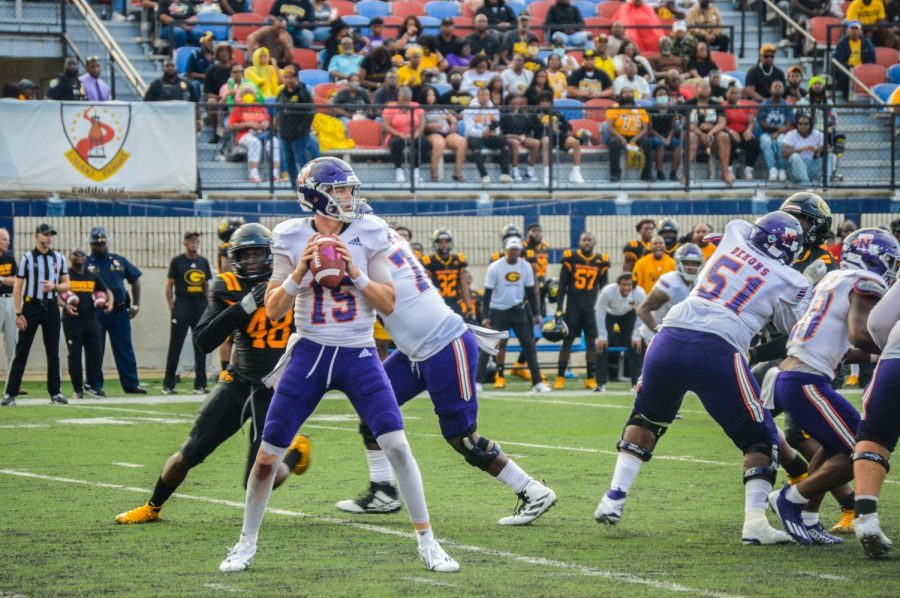







Athletes come from many types of backgrounds, all in a combined pursuit of excellence within their respective sports. When considering athletic backgrounds, the question of whether a history of Division 1 sports in an athlete’s family influences their relationship and experience with their sport.
Many of Northwestern State University of Louisiana’s athletes come from just this background. Even though these athletes are from different sports and geographic locations, there are many overlaps to their experiences and character traits that can be associated with their familial involvement with D1 sports.
Samuel Ardoin, a baseball player and communication major, mentioned how much he has grown with baseball. “Growing up I always wanted to be a professional baseball player,” he said, attributing his siblings’ success through the sport.
Ardoin’s oldest brother went to Blinn Junior College then Lamar University, while his other brother went to the University of Texas and got drafted to play for the Orioles in Triple-A baseball. Additionally, his sister plays softball for the University of Louisiana at Lafayette.
Ravina Sandhu, a women’s soccer player and biology major, recalled her dad, a Canadian D1 hockey player, going on early training runs with her, and that’s when they’d have some of their most memorable conversations.
Ardoin similarly recounted shadowing his brother’s baseball games from a young age and playing catch in the yard with his brothers. Both of these athletes’ sports were a big part of their childhoods as a way to connect with their families on a deeper level.
Payton Miller, a women’s basketball player and communication major, felt the same. “I knew from an early age that basketball was the route I was going to take because it allowed me [to] have that bond with my sister,” Miller said, whose sister was also a D1 athlete.
Though these athletes fondly remember their childhoods and equate it to this level of connection fostered, there is also a downside to this early involvement: the pressure.
“I can’t lie,” Sandhu said, “it’s hard to live up to it. I live under the pressure of not just those outside, but from my own parents.”
This can, at times, create a strain with the athletes who want to honor their parents through their respective sports because of the bond shared and the understanding of what it takes to succeed.
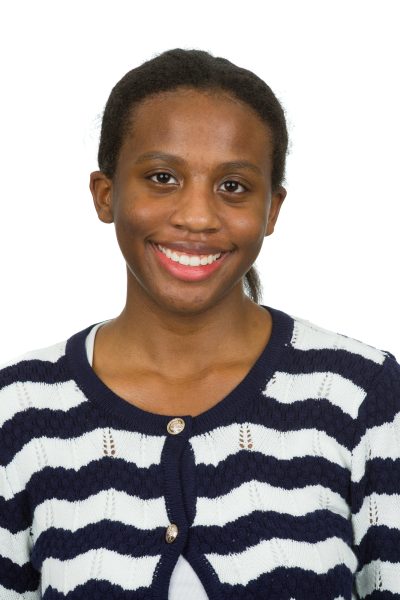
Brynn Daniel, a softball player and communication major, had a slightly different experience. She mentioned that while sports have been a big part of her life and her parents want her to succeed, there is more than just her sport, and she has never felt pressured to stay in it.
“I am harder on myself than anyone in my family,” Daniels admitted.
Ardoin’s perspective on the matter is similar. “We take pride in playing the sport but don’t let it define us,” he said.
However, Ardoin added that, because of the duration of his experience with his sport, he tends to put even more pressure on himself.
“Growing up in the game I should just know certain things, or rather details that other people may not have been taught,” Ardoin said.
Miller looks at this earlier exposure in the sport and her sister’s involvement in D1 in a similar way.
“Knowing everything that goes into making it D1 allowed me to be better. I knew how much work and effort had to go into the process of going D1,” she said.
However, while Miller acknowledges the advantage of her D1 family, she knows that this advantage didn’t guarantee her success. “No matter what my sister had done a few years before me, I still had to work just as hard,” she said.
Regardless of the advantages that these athletes have, they are under pressure to succeed, causing some of their relationships to become strained with their sports. These athletes, while given a lifetime of knowledge, still have to work hard for every accomplishment earned within the sport. Being armed with knowledge doesn’t make you a good athlete; it is what you do with it that determines how you make the Demons proud.