













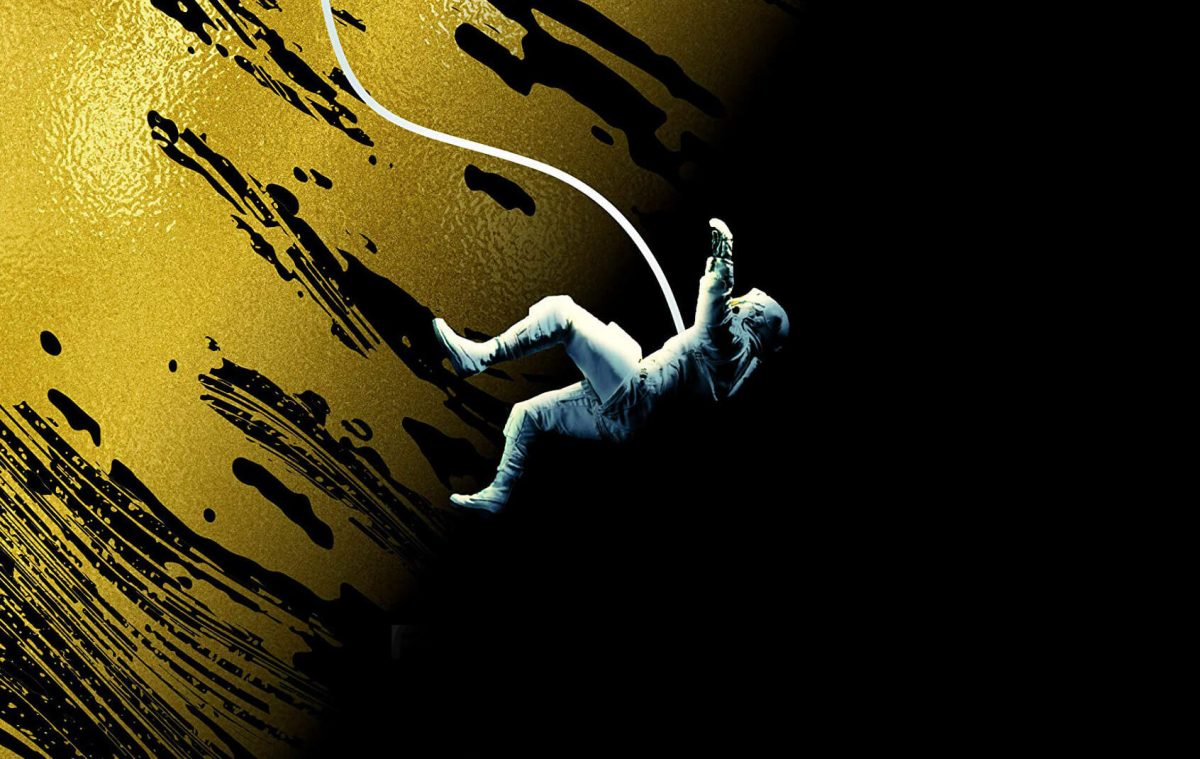
Andy Weir’s 2021 science fiction novel “Project Hail Mary” has seen a new life in 2026, with its long-awaited movie adaptation that was released in late March. In its first month alone, the film has grossed over $500 million worldwide and currently boasts a high 94% on Rotten Tomatoes. As millions are introduced to the story of Grace and Rocky for the first time, many are left wondering if they should read the novel in addition to seeing the movie—is it worth it to witness the same story twice in a row?
As someone who has read the book three times since its release, I had incredibly high hopes for this movie. I have to say that I was largely impressed, and I found it to be a very entertaining adaptation that managed to stay quite true to the events of the novel. However, I do also have to express some disappointment in the changes that I saw.
The problem does not lie in scenes being cut or slightly changed for the sake of time and watchability—every book lover has to go into movie adaptations with the expectation of there being some inaccuracies. While the movie did have several notable changes (including the addition of the character Carl, the cutting of much of Grace’s time on Earth working to prepare the planet for an ice age, etc), “Project Hail Mary” is an incredibly faithful adaptation that truly does strive to deliver the wonder of the novel to a new audience, and I have to applaud it for its ability to tell this massive story so well in such a short amount of time.
Nonetheless, there is something fundamentally different between the book and movie that stuck with me in a way that these other, smaller details did not. I feel the main difference between the book and the movie can be pinpointed in one word: tone.
The movie opens with a rather long, humorous montage of Grace on the Hail Mary, gorging himself on vodka, wearing too many hats and treating his amnesiac space journey like a house party. Though Grace’s goofy nature isn’t invented for the movie, and I have to say that I really enjoyed seeing him being so carefree, “Book” Grace’s ability to take his situation seriously and his dedication to making a difference can be seen from the moment he wakes up aboard the Hail Mary.
The film has a way of negating his intelligence and drive to succeed, throwing humor on top of Grace’s determination to save Earth and making him seem like a mediocre scientist who constantly messes up in hilarious ways instead of the sole scientist sent to save the planet. “Book” Grace may be funny, but he’s also wicked smart, and there is a deep understanding on his part about his role in Earth’s salvation, while “Movie” Grace doesn’t always seem to understand just how crucial he is.
The entertaining and comical tone continues throughout the movie, even when it’s truly not necessary for moments to be overly funny or happy. The biggest shift in tone from book to movie that strikes me is Eva Stratt. In the book, I find Stratt to be a despicable person. She shows no kindness to Grace, has no humor and doesn’t seem to care about anything but saving the world. Stratt, in my opinion, is one of the book’s most concrete villains.
However, the movie presents Stratt as kinder. She’s occasionally funny, seems to care for Grace and even sings a moving farewell in the karaoke scene—a scene that does not exist in the book. Everything about “Movie” Stratt makes the audience feel for her, even when she chooses to kill Grace. This tone shift also removes the anger that “Book” Grace feels upon remembering that Stratt sent him against his will, a justified anger that is incredibly important for “Book” Grace’s sense of agency after being forced to die.
Though I know many people who cried watching this movie because of the emotion brought about by the relationship between Grace and Rocky, so much negative emotion from the book was taken out of this adaptation for the sake of a more silly, family-friendly space adventure. There are so many more tears, justified anger and heartbreak that the movie writes out to keep spirits up. While the movie is such a fun experience, it almost feels like a fundamentally different story at times because of how little focus is given to the deep and complex emotions that “Movie” Grace should be feeling.
Because of the tone shift, the movie falls short of portraying the devastating sense of sacrifice that Grace carries throughout the story. For example, Rocky saves Grace’s life in the book and in the movie, but the movie neglects to include the book’s next scene, in which Grace has to physically carry Rocky back into his own atmosphere, severely burning himself and risking his own life to save Rocky in return.
Later, when Grace chooses to return for Rocky, losing his chance at seeing Earth again, the movie portrays this as a beautiful and heartwarming moment when Rocky realizes that Grace has returned to save him. What we lose is the moment after, when Rocky understands that Grace has chosen to die for him.
We lose the gravity of this sacrifice yet again toward the end of the movie, when Rocky tells Grace that there’s a chance the Eridians can return Grace to Earth. In the book, there is no possibility of return—Grace chooses Rocky, knowing he will not get the chance to go back. There is no beach in the book, no sunlight, no “outside” for Grace—he must live in an illuminated dome on Erid’s pitch-black surface with no remnants of Earth to comfort him. Even further, “Book” Grace uses a cane in the final scene because the atmosphere of Erid has resulted in severe health issues, and the lack of these consequences in the movie again erases the heartbreaking reality of his sacrifice.
All of these changes come back to tone. Alteration of any one scene is inconsequential, but when added together, the movie becomes so much less emotional and so much more humorous than the book, and the change prevents those only watching the movie from truly grasping the gravity and enormity of Grace’s experience.
So, is it worth it to witness the same story twice in a row? I believe that it is. No one can gain a complete understanding of who Grace is without reading the book and gaining that insight directly into his mind. And, though the story is the same, the tone ensures that reading the book and watching the movie are two completely different experiences.