

















When the next freshman class arrives in August, campus will be reinvigorated with bright-eyed, bushy-tailed enthusiasm. The first few months of freshman year can be overwhelming, but they also contain a unique bliss that a college student never finds again. The class of 2030 will inevitably become aware of Northwestern State University of Louisiana’s not-so-shiny aspects, but as upperclassmen, we have a difficult choice to face.
How should we represent the school to incoming students? Should we encourage their enthusiasm about NSU, or is it our duty to warn them about what is coming? Is it appropriate to air our grievances to freshmen? Many students believe that it is our duty to be honest (and sometimes harsh) about NSU, but it is also important to demonstrate our love for our institution.
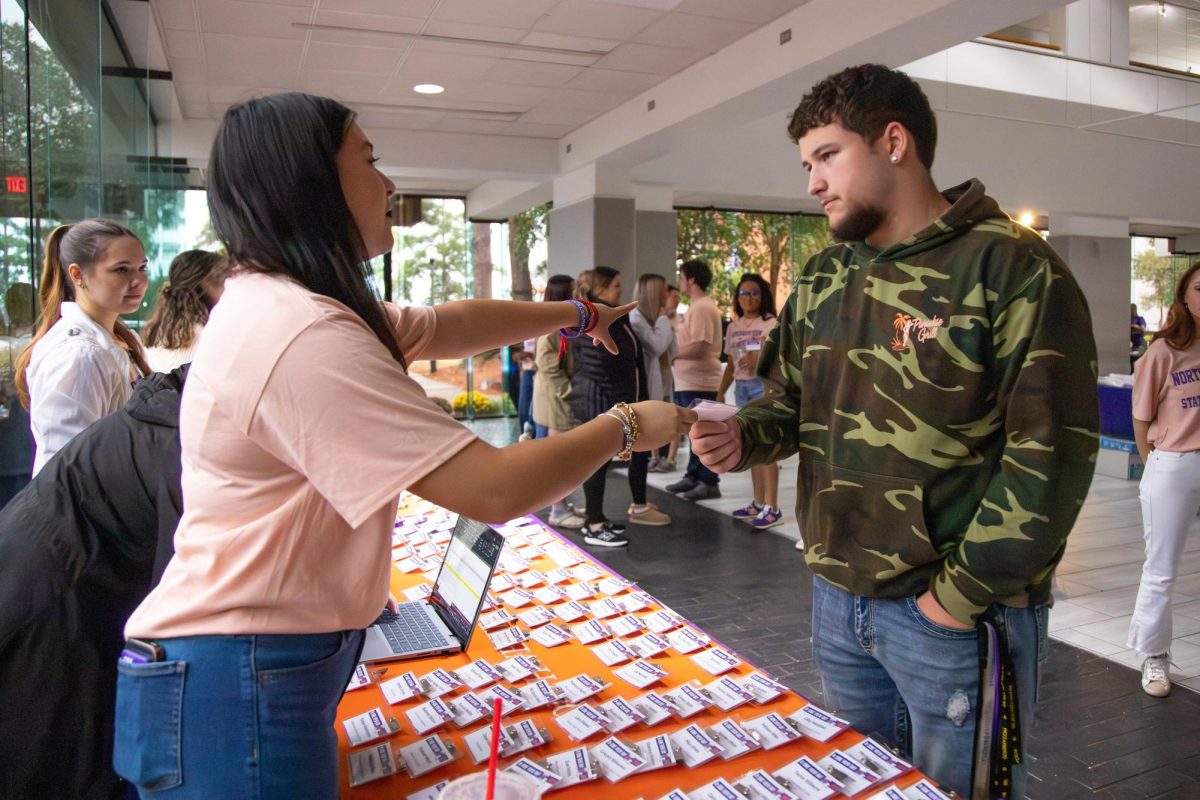
Administration, faculty and students are all involved with the recruitment process at different levels. Between these different parties, incoming students get varying perspectives about life at NSU, but the way students represent the school makes the biggest difference in someone’s college decision.
Pete Gorham, a graduate student of art, still remembers the impressions left on him by upperclassmen in his freshman year.
“There was a mixed bag,” Gorham said, “a few loud people who tried to discourage me from staying here and a few others who expressed their love of the art department.”
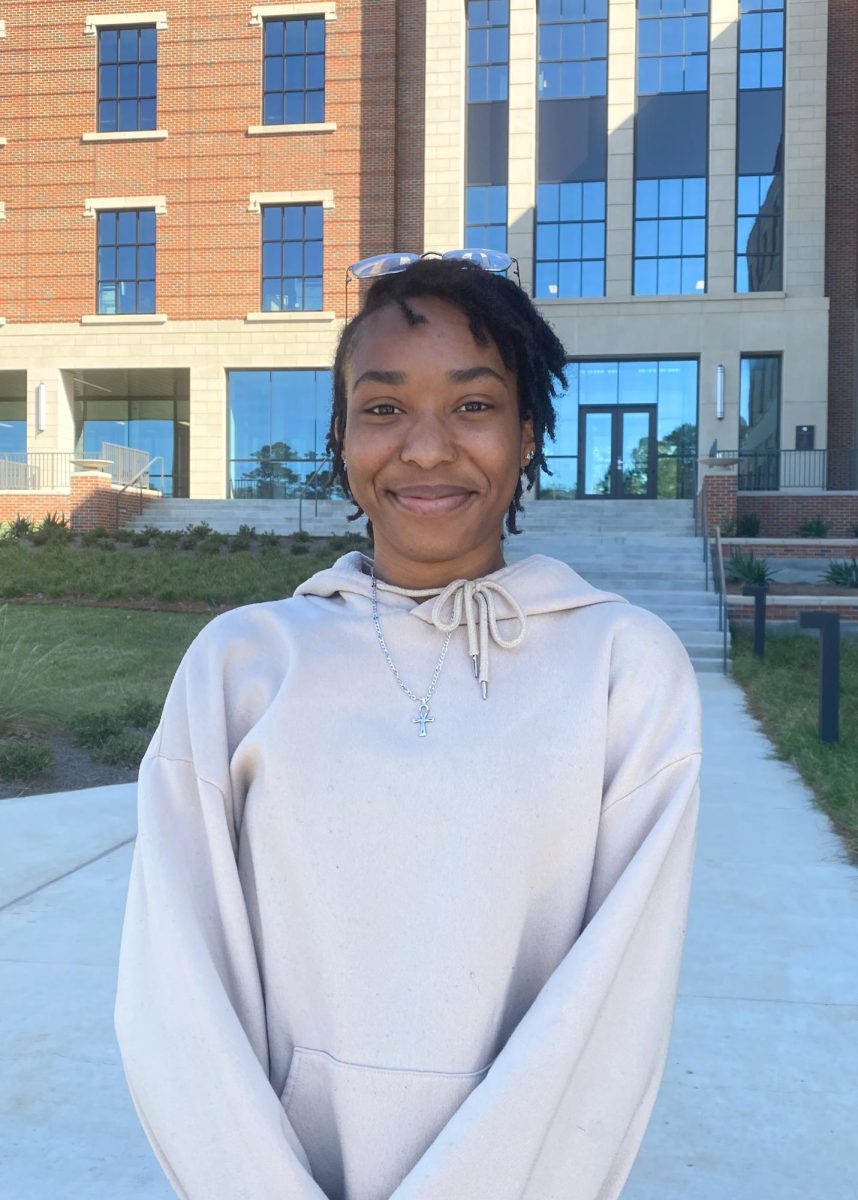
Multiple student organizations on campus are dedicated to presenting the best parts of our university to the public. Anunye Thomas, a sophomore communication major, recently joined the Purple Jackets, a service organization that helps to host major NSU events. In this prestigious organization, she has to think carefully about how she represents our university.
“Since we are representing the school, and people favor our opinions, I think it’s only right to be honest about certain issues involving the school,” Thomas said.
Some people may be concerned that speaking openly about the problems at NSU will turn prospective students away. Others believe that this information is necessary to make an informed college decision.
“When I got here, I got the impression that people were happy with the school,” Madison Lenser, a freshman secondary education major, said. “But the longer I have been here, the more I have heard complaints. Honestly, I would have liked to hear more criticism.”
Some upperclassmen avoid swaying the opinions of freshmen in either direction. “I don’t want to feel like I’m persuading them one way or another. I try to be as unbiased as I can … I have tried to be very mindful of how I speak of the university because while there is a long list of issues that should be looked into, I still chose and am choosing to stay here,” Gorham said.
Sometimes in the pursuit of honesty, students say things about NSU that come across as hateful. This can create an unfriendly culture and divide the student body. Discussions in online spaces often become very heated, and these harsh statements can make us forget the things we love about our university.
“The NSU Student Needs page on Facebook is overly negative about everything,” Lenser said.
Thomas agrees. “Honesty doesn’t equal being disrespectful … there is a way to be critical of something without being rude,” she said.
As students, we are not obligated to represent the school positively at every opportunity. When we see problems, it is not only appropriate to speak out—it is our duty. Although the conversations could discourage people from attending, there are some things that should not be left unsaid.
As a freshman, Lenser appreciates when upperclassmen share their knowledge, even if it isn’t always pretty. “I think I would rather hear about the issues than walk in blind,” she said.
Airing grievances about the school can be beneficial, but it must be balanced with positivity.
“We all complain, and that can be healthy from time to time,” Gorham said, “but there have been some graduate students who only complained, and it made it a really toxic environment.”
Thomas agrees that some complaining is necessary from time to time, “as long as we are honest and open and genuinely want better for our school and future students.”
As the next school year approaches, we should welcome our new freshmen colleagues with open arms. This means preparing them for what they will face during their time here—even if we aren’t proud of all of it. Everyone, including freshmen, should stay informed so we can do our part to make campus better.