













Northwestern State University of Louisiana’s athletic department strives to provide an inclusive and diverse learning environment for all student-athletes. The athletic department’s goal is to build an educational foundation for student-athletes and prepare them to become successful competitors at the professional level. Student-athletes are also supported academically through the athletics department, and are expected to maintain a balance between their roles as students and as athletes.
The athletic department’s policies and procedures are outlined in their manual, which serves to ensure that the department operates efficiently and that all staff members and student-athletes adhere to its policies and procedures.
According to the manual, the department’s vision statement is “to embrace a sustained effort of developing student-athletes as competitors, scholars, and role models.” The vision is achieved by “instilling the qualities of self-discipline, integrity, teamwork, and sportsmanship within its student-athletes, coaches, staff, administration, and fan base.”
The core values of the athletic department consist of academic achievement, personal responsibility and competitive success.
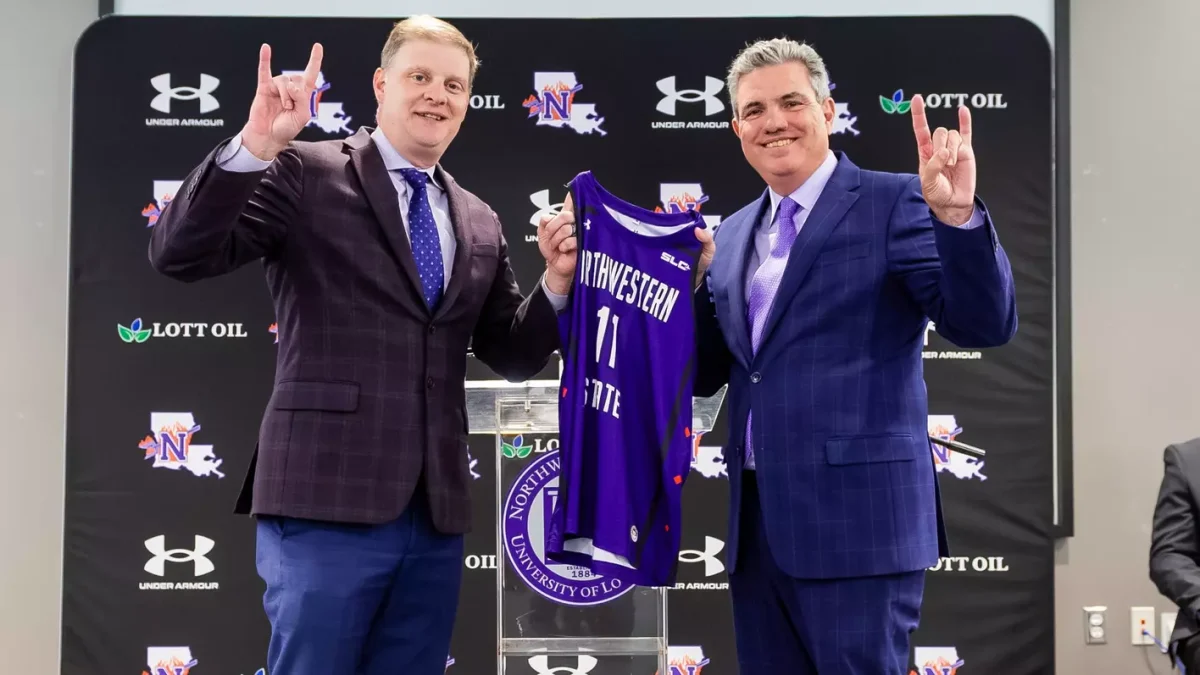
Kevin Bostian, director of athletics, oversees all aspects of the athletic program. Whether it comes to hiring coaches and staff, making sure the athletic department is successful in its vision or providing support for student-athletes on the field and inside the classroom, Bostian has a role in it. “My motto is rings, diplomas and leaders,” he stated. “That is what we stand behind.”
Department loyalty is a fundamental characteristic of the athletic department, in which “loyalty to each other, the department, and the university is a non-negotiable expectation of all administrators, coaches, and staff.”
Student-athletes should refer to the academic requirements checklist and adhere to the Student Athlete Code of Conduct to ensure that their privileges are not removed.
Dustin Eubanks, associate athletic director for internal operations, deals with the athletic department’s compliance with National Collegiate Athletic Association (NCAA) rules.
Eubanks stressed the importance of communication when it comes to compliance within the athletic department. “The number one thing that I have learned is that I have to give them [staff and students] access to me,” Eubanks said. “They have to know that it’s not just about an open door, but about a phone call or text.”
When new topics within the NCAA arise, Eubanks is willing to answer questions from staff and coaches. If a violation occurs, it isn’t always a negative thing. NCAA violations usually consist of academic misconduct such as cheating and plagiarism, transcript tampering or use of AI to complete assignments.
“If something happens that is against the NCAA rules, the best thing to do is go ahead and self-report. We take care of those small things first by reporting, which shows the NCAA that we’re actually monitoring the program,” Eubanks said.
Athletic compliance covers topics such as class attendance, athletic scholarship awarding procedures, drug screening, appeal processes and more.
All student athletes are randomly given drug tests throughout the academic year. If the first test is positive, they can be suspended for 10 percent of the total number of competitions. If the student-athlete continues to have positive drug tests, they can be suspended for 50 percent of the total number of competitions and then completely suspended from all NSU athletic teams.
If a student-athlete becomes pregnant, she is required to notify her head coach. Participation in any athletic activities are suspended during the duration of the pregnancy. Financial aid is not affected by a student-athlete being pregnant, but is evaluated in terms of athletic performance and academic standing.
Bryn Dill, assistant athletic director for student-athlete development, noted that the balance between academics and athletics can be difficult for some student-athletes, so she wants to create a personable environment where students feel prioritized.
“My goal is for them to have that sense of belonging and support to where they don’t feel like they’re just a number,” Dill said.
The academic requirements for student-athletes are outlined explicitly within the manual. For example, one requirement states that “student-athletes must be enrolled full time (12 hours for undergraduate and 9 hours for graduate) each semester to be eligible for practice and competition.” Another requirement states that “student-athletes must pass at least 6 hours of degree credit each semester to be eligible for the subsequent semester.”
“We meet with them [students] once or twice a week to make sure they’re progressing along,” Dill added. “We work with tracking their academic eligibility, which is really important because it keeps them on the court, field, wherever they are. We also get to know them on a personal level, which I think is important in terms of retention and keeping them here.”
NSU’s athletic department continues to aid student-athletes in developing on campus, both inside and outside of the classroom, by providing both academic and athletic support in order to set them up for success later, and this starts with adherence to NSU’s athletic policies and procedures.