






It’s the time of year when loved ones come together to celebrate life’s blessings. The most common way to observe Thanksgiving is to gather for a meal with family members, with the same traditional turkey and dressing every year.
In recent years, younger generations view Thanksgiving in a different light. The growing “Friendsgiving” tradition reimagines Thanksgiving, reclaiming it from its history and adapting traditions to the modern era.
Merriam-Webster found the earliest use of the term “Friendsgiving” online in a message board from 2007, and since its inception, the term has grown in popularity. Many young people have either hosted, been invited to or attended a Friendsgiving celebration; however, the term means different things to different people.
For some, it is an alternative to Thanksgiving with family. Those who do not have good relationships with their families may attend Friendsgiving to enjoy the good food and company of Thanksgiving without familial pressure. Zachary Veuleman, director of Counseling and Career Services, believes Friendsgiving has significant mental health benefits.
“My typical advice for anyone who would come into our office saying, ‘I don’t feel comfortable going home for Thanksgiving’ would be, you can make that determination,” Veuleman said. “You are an adult, and if there are alternatives such as a Friendsgiving, I would definitely encourage you to find something that brings you a little more joy.”
Other people see Friendsgiving as a supplement to the original holiday. They may host their Friendsgiving celebration a few days before Thanksgiving, so they can enjoy a more casual night with friends before the actual holiday.
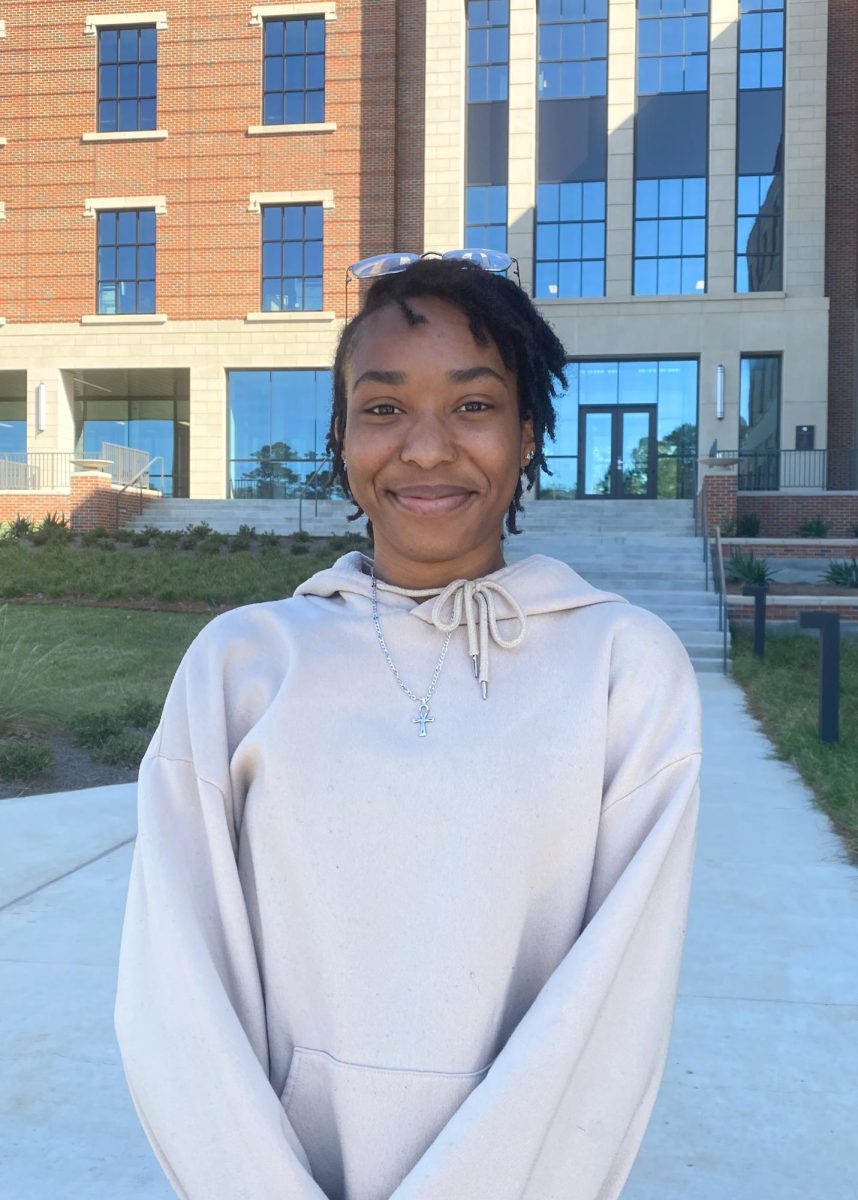
Gabriel McCalmon, a freshman music education major, thinks Friendsgiving appeals especially to the college demographic as a way to express our identities outside of our families. “Typically, when I think of Friendsgiving, I see them around college-age to their 30s. It depends on their perception of their family, but I think a lot of people want to hang out with both their family and their friends,” he said.
Friendsgiving is not static; it is varied and flexible in every way. Each group can tailor the holiday to their own preferences, creating an experience that everyone loves. Everyone brings their own meaning to Friendsgiving.
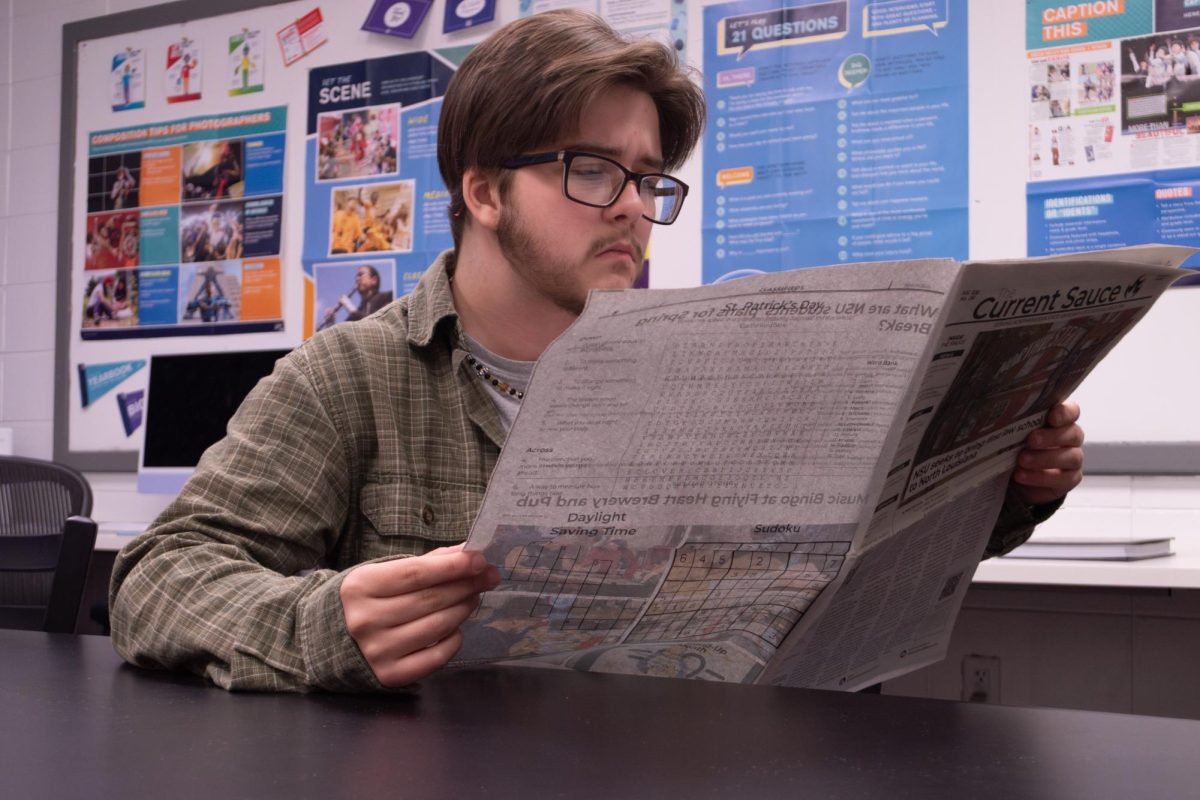
“It is good for building a community, especially if you are all broke. I remember the Thanksgiving I had with my neighbors. Because none of us could have a ‘normal’ Thanksgiving, we each gave something and it became a mutual aid kind of thing,” Eddie Carran, a sophomore psychology major, explained.
Some people see Thanksgiving in a different light due to its history. The mythology of Thanksgiving centers around a grand meal shared between European settlers and Native Americans. This is the story every American child is told in elementary school; the pilgrims couldn’t grow their own food yet, so the kind Natives shared their food, and this was the start of friendship between the peoples.
However, this story is highly inaccurate. While the Wampanoag tribe did share their harvest with the English settlers, it was not the start of peace. According to the National Archives, “Within a generation, war would erupt and the Wampanoag would ultimately lose their political independence and much of their territory.” Instead of giving them friendship and respect, English settlers would go on to subjugate indigenous tribes for centuries.
The happy story of the “first Thanksgiving” misrepresents the reality of American history. Growing awareness of this has led some people to observe the holiday differently.
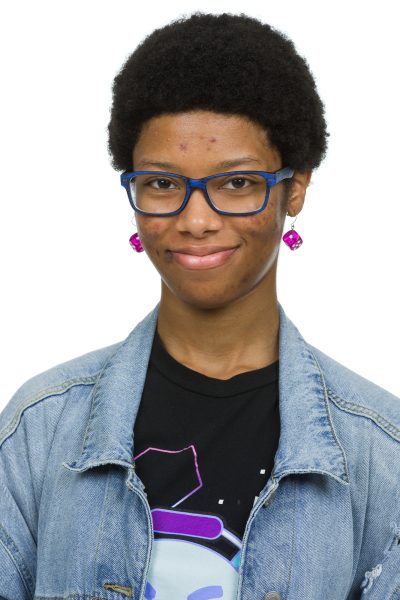
Elliot Castleberry, a senior nursing major, partakes in Friendsgiving for a variety of reasons. Part of it comes from his opinion on the history of the holiday. “I wish it had been more peaceful, and I don’t agree with the way the Native Americans were treated,” he said. “It does influence how I observe Thanksgiving, and now I try to think of it as more of a reunion.”
Just remember that you are free to reinvent Thanksgiving to your liking. Traditions are more special when they are personally meaningful to you and more than just an obligation.
“To me, it’s a nice reminder that my family doesn’t have to fit the traditional definition. I have a community of people who genuinely want to show up for each other and not just people under the obligation to show up because we share some grandparents,” Castleberry said.
The concept of “found family,” rather than blood family, is at the heart of Friendsgiving. According to Veuleman, “Your found family is a very important thing, as is the opportunity, from a self-care perspective, to spend time with people that you care about, be it at the Thanksgiving time frame or not.”
Friendsgiving is a reminder that just because something is traditional doesn’t mean you are obligated to follow it. We can reimagine Thanksgiving as something that works for everyone. There is no wrong way to spread gratitude and love.