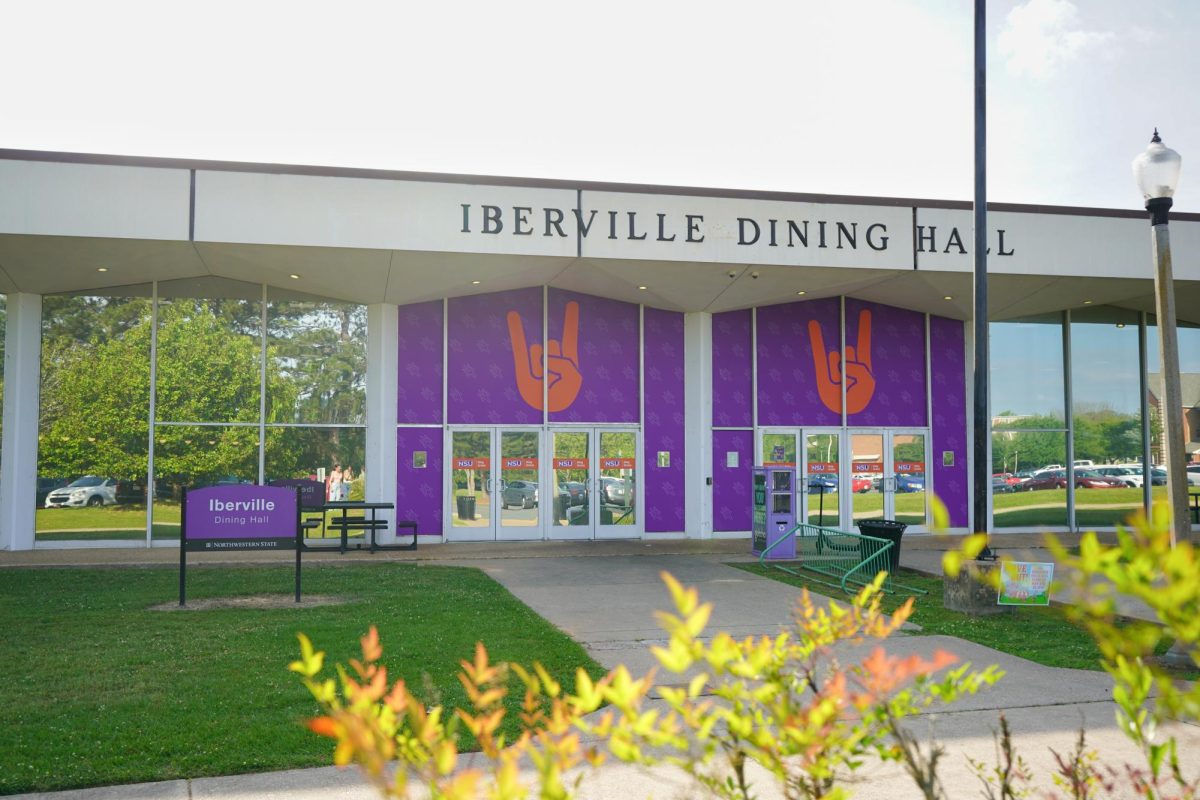
























Adulthood has to start somewhere. For many college students, living on-campus is their first taste of independence and self-reliance, but even the wild world of dorm living can start to feel restricting eventually. There are many reasons why a student may pack their bags and move off-campus while they finish their education.
What are the benefits of making this change? What are the challenges? Weighing the pros and cons can help you determine the right choice for you.
Dorm living is a great way to make friendships and establish yourself on-campus. The social opportunities are one of the major benefits of this lifestyle.
Gabby Meziere, a junior biology major, lived on-campus before moving into an apartment in Natchitoches in August 2025. “It was nice meeting new people for a year and coexisting. I miss the feeling of being in a small community with my peers and just walking next door if I needed something,” she explained.
Campus housing is also a good way to experience independence without being fully self-reliant. As you build the skills for adulthood, housing staff provide a necessary safety net. Advantages to on-campus living are constant access to help and less burden of financial responsibility.
“It’s kind of convenient. When something breaks, you don’t have to worry about paying for it,” Niel Higginbotham, a sophomore music education major, said.
Living on-campus comes with privileges, such as easier maintenance and a tight-knit community. However, the constant presence of others can also start to feel suffocating.
“Living off-campus really helped me develop a sense of self and gave me the freedom I’ve been wanting. I don’t have to worry about disturbing roommates and I finally get free range over my own personal space,” Meziere said.
Silas Weaver, a senior psychology major, moved off-campus in April of his freshman year. Living in his own space has improved his mental health.
“Being on-campus made me really depressed because I didn’t have my animals,” Weaver said. “I also just really wanted to be around other people who work as much as I do.”
Living off-campus allows you to curate your space exactly to your liking. If you want pets, you can have them without wrestling with housing paperwork. You can also live with exactly who you want to without having to worry about roommate assignments from housing staff. However, this level of freedom comes with its own struggles.
The process of finding off-campus housing is daunting. Students looking to make this change might not know where to start.
“Apartment hunting is so stressful. I always recommend asking friends who already live off-campus for help. We found our apartment through a friend referral, and usually they find the best deals,” Weaver said.
Many will turn to social media to ask for off-campus living options. Facebook groups such as NSU Student Needs, Natchitoches Info Exchange and Natchitoches Parish Journal Homes for Rent are a good way to get up-to-date information about housing in Natchitoches.
It is important to do thorough research if you are considering living off-campus. Find out the cost of rent, utilities and other services like WiFi. Make sure the apartment has conditions that are right for you, such as pet-friendly or non-smoking accommodations. Overall, be patient and detail-oriented.
Due to the immense responsibilities that come with adult life, it is important to weigh the options and determine if you are truly ready to move off-campus.
“Weigh the pros and cons and what’s good for you! There’s no rush to move off-campus and it’s very convenient in terms of being near where classes and events happen,” Meziere said. “I do encourage people to explore options.”
Living on-campus has many advantages, but off-campus housing allows more freedom. If you are thinking about moving, consider what you want out of college life. Depending on your financial, social and academic circumstances, an off-campus living situation might be right for you.