












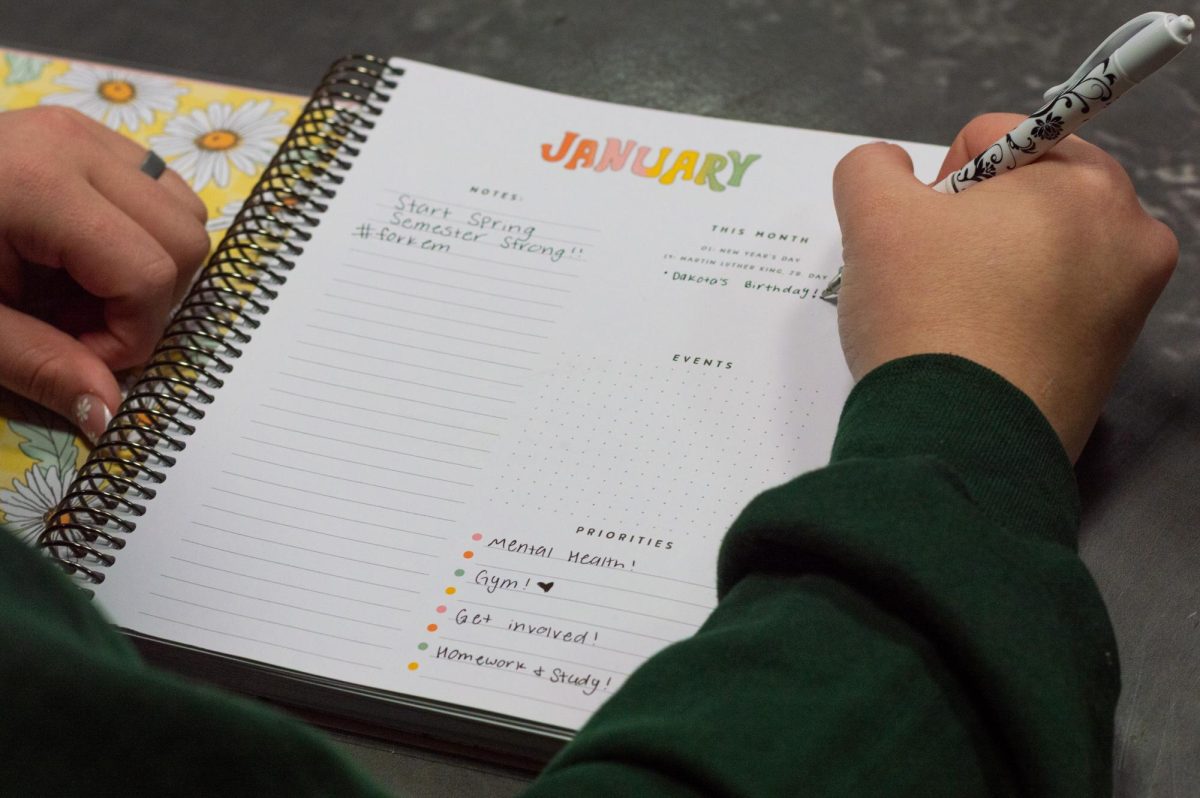
Students and professors alike notice a marked difference in attitude, enthusiasm and determination between the fall and spring semesters. Is this a shift that occurs academically through the college itself, changing on a semester-by-semester basis? Or, is this perceived difference solely in the students themselves, and not environmentally associated?
There are many differences between the semesters, a major one being course availability. The Edwise Foundation, a program that aids thousands in exploring study abroad opportunities, explained that ”there are fewer overall course offerings and sections in the spring schedule, limiting selection, especially for specialized classes.”
Fortunately for students at Northwestern State University of Louisiana, this trend isn’t exacerbated in an extreme sense, but it can still occur depending on one’s major and classification.
Another difference that can alter the academic vigor of students from fall to spring semesters is the breaks. In general, universities break for a month between the fall and the spring semester, but for two or two and a half months between the spring and fall semesters. Perhaps these breaks in and of themselves—and the harsh differences in their duration—are the source of such a stark atmospheric and psychological difference between the fall and spring semesters.
It could also lie in NSU’s semester activity offerings. Elena Young, a sophomore pre-veterinary technology major, noted that,” I feel like the spring is a lot harder than the fall because [in the fall] you get that new excitement.”
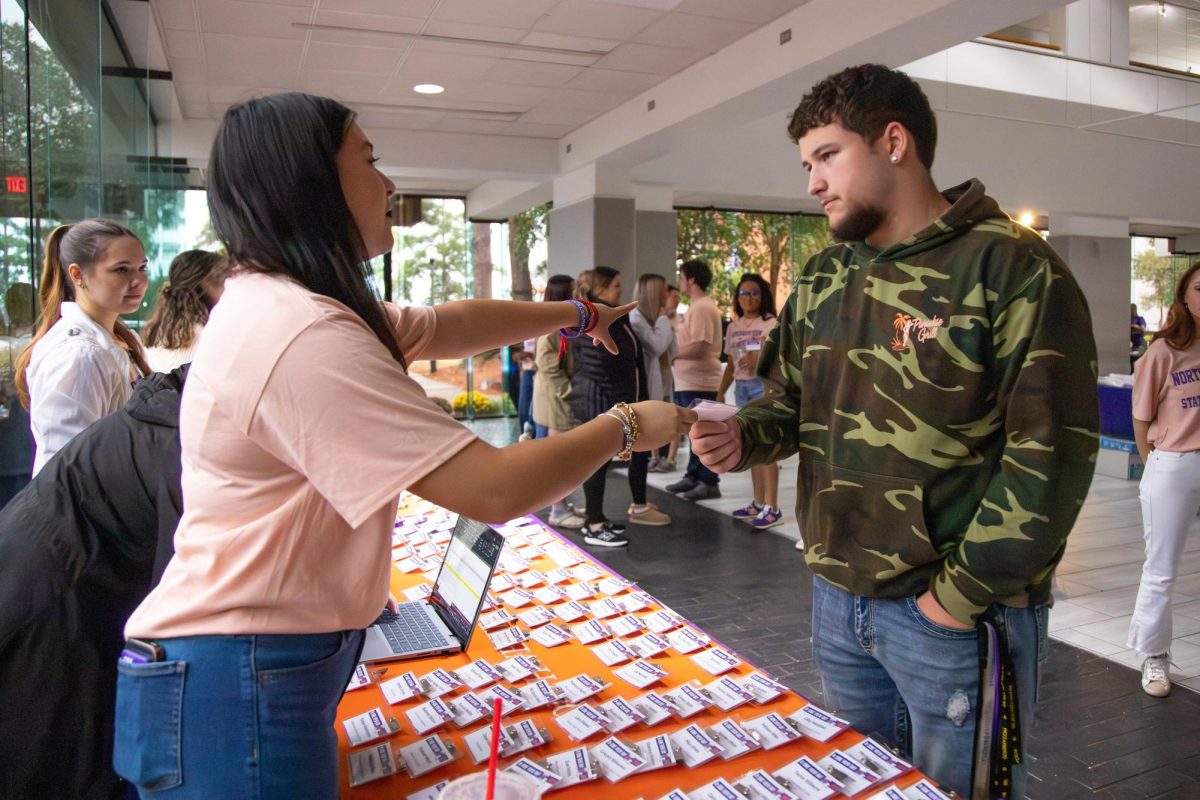
In the Fall 2025 semester, there were over 192 events—excluding fall sports events—ranging from Demon Days activities to the Dear School of Creative and Performing Arts events and gallery displays. The Spring 2026 semester, on the other hand, offers around 283, but only 93 aren’t sports-related.
Despite this, Elliot Castleberry, a sophomore nursing major, has a different perspective. “Fall classes start slower,” Castleberry said, which may be attributed to the many social events that start in full force at the beginning of the year.
Cypress Sulfsted, a sophomore history major, offered another perspective similar to Young’s, but added that, “all is focused on coming back from summer and homecoming, things like that. As part of an organization, I want to say it can be slightly more stressful depending on your position.”
By joining a community, whether through student-led organizations, as Sulfsted and Castleberry have, or through a student’s major like Young, the community has allowed these individuals to flourish in their respective majors, regardless of the semester.
This idea of community can manifest in peers or even an instructor. Sulfstead’s advice is that “you need to talk to your professors, it’s going to be scary, not all of them will be nice, but it’s always good to know someone who’s been in the system [of education].” This system is made to be hard, but not impossible, and even if students don’t succeed the first time, as best said by Sulfsted, “you can always do it again.”
There are many reasons that the spring semester may feel different—and even harder—than the fall semester. The potential for limited course selections, a shorter break to recharge and fewer campus activities could be to blame, but the NSU community is always present and ready to help its students achieve academic and social success, regardless of the semester.