



Music is one of the most universal and familiar art forms. However, even though most know what music is, they may not be aware of the origins of its various diverse genres, especially music created by people of color. It is increasingly important to highlight the history of music created by Black artists, as well as the influence it has had on the world of music as we know it.
Before emancipation, enslaved Black individuals would use music as an act of rebellion against the brutality of their lives. These could range from music in the fields to religious hymns.
Shane Thomas, Northwestern State University of Louisiana choral activities director, discussed one way that enslaved individuals used music to better their lives. “Music was a message to one another, so instead of saying, ‘Tomorrow at midnight, we are going to the river,’ they would use [commonly known] music, and they would immediately pick it up,” Thomas said. Music, in this case, was used to shield any rebellious plans from the plantation owners or any bystanders.
After the 13th Amendment’s passing in 1865, which banned the ownership of slaves, similar rebellions through music continued to occur in different modern genres, preserving the resisting themes used before. These themes were still abundantly present because, although Black Americans were free, it was in technicality alone, as they were still not seen as truly equal.
This ‘separate but equal’ mentality was a direct result of the idea of social hierarchy attempting to be preserved by the public, despite the 13th Amendment being passed. Longstanding debates of equality transpired as a result of the social versus government decision occurring over many years, which resulted in the inevitable passing of the 14th and 15th Amendments. Despite the ferocity of said debate, the progression of music production by Black artists thematically reporting these struggles still persisted.
Bridget Morton, author of “Strategies and Resources for Teaching with Library of Congress Primary Sources from the TPS Consortium,” elaborated on the innate racism within the artistic landscape. “Minstrel shows were the first places after the end of slavery that Black performers were allowed to share their art with the public,” Morton said.
The minstrel shows of old eventually morphed into the more modern and commonly known genres of jazz and blues. These genres, while very beautiful thematically and musically, were a social taboo of sorts for the consumption of Black music by white individuals.
“Articles in the newspaper started getting printed about the moral decay of the influence of jazz music [on society],” John Dunn, NSU fine arts professor, described.
Again, all of this was reinforced by racism fueled by a solely bitter resolve. However, this would not stay this way forever, and eventually the genre of gospel—another Black-created musical genre—shot up in popularity.
The ‘King of Rock’ himself, Elvis Presley, used the basis of the gospel genre to skyrocket his career into what most thought was original and never-before-seen musical genius. Once again, a white male took credit for a genius that was really sourced on the backs of a still-marginalized group.
After the closing of Brown v. Board of Education in 1954, the ‘separate but equal’ mantra that systemically reinforced racism was overturned, leading to greater—but still not true—equality for Black citizens. However, socially, this was still rebelled against, even after federal courts passed the ruling.
The emergence of the genre of hip hop decades later showcased this still prevalent racism with thematic themes similar to those of the past, with a new rhythm and faster beat. This symbolism showed that, though the passing of time into the modern age had occurred, the same issues of racism were still occurring.
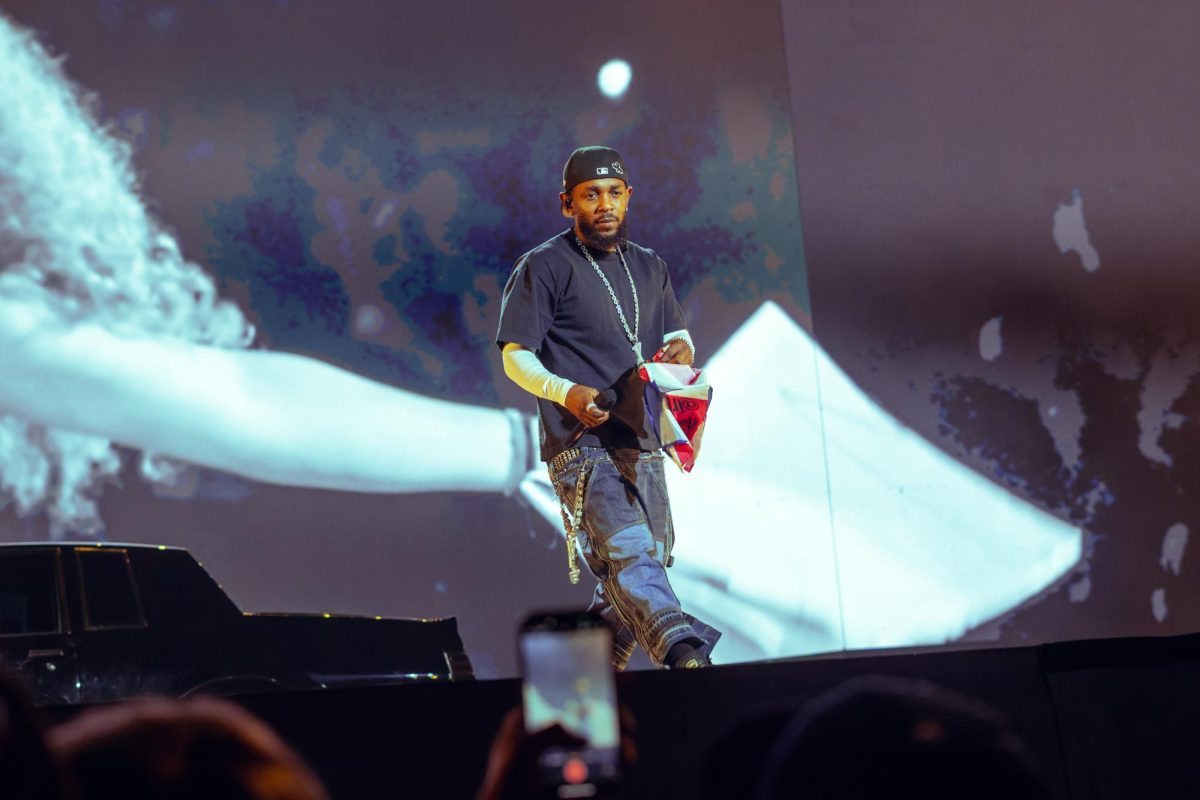
Kendrick Lamar’s halftime show in 2025 showcases this exact phenomenon. Yes, the fact that he can freely rap on a stage compared to, say, 150 years ago is an amazing show of our progress as a society. However, his song choice as well as visual imagery reflect the deeper meaning and the whole purpose of this written piece.
The first thing seen by the audience is the famous actor Samuel L. Jackson dressed up as Uncle Sam, a prominent symbol for America. Jackson, a fourth of the way through the performance, starts correcting Lamar on music and even goes so far as to call his music “ghetto.” This ironic display was quite humorous, though was used to show the control that society had over—and the judgment against—early Black artists who founded the current popular genres.
Lamar’s dancers were clad in the colors of the American flag, even forming the shape with their bodies during the performance. The Black Wall Street Times noted the intentionality of this design, saying, “The choreography and visuals made references to mass incarceration, reparations, and the concept of revolution, all intended to reveal the brutal nature of the so-called American ‘dream.’”
It is important to note that music showcases the world in a sociopolitical sense, and it is impossible to separate the two. These hard beginnings are important to understanding the context of this art form and further draw awareness to how far we have come as a society to bridge this gap in equality. As best said by Thomas, “Those themes and all those horrible things still permeate to this day [and that] culture can’t be separated [from music] and we hear that.”