
















When struggling with an addiction, no matter the type, there is an abundance of social tension accompanied by internal resentment. Northwestern Louisiana State University of Louisiana’s Demons for Recovery program was created with the objective of aiding individuals’ journeys of wellness and recovery by giving students struggling with addiction a community and a safe place to share their experiences.
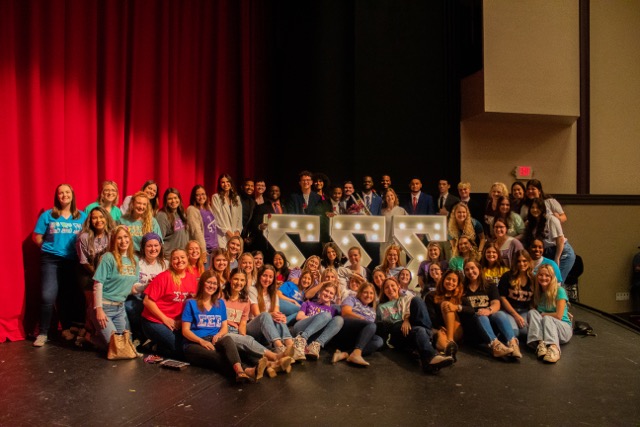
What started in 2017 as a dream of Charles King, department chair for addiction studies at NSU, has now been put into fruition with a new home in the Friedman Student Union as of Jan. 7, 2026. According to NSU, the lounge in Student Union Room 313 is “a location for peer support groups, meetings, quiet study, and connection.”
According to the National Library of Medicine, “A substance use disorder is a medical illness characterized by clinically significant impairments in health, social function, and involuntary control over substance use.” The definition of a substance abuse disorder is quite nuanced, and so are the signs of an addiction.
“College campuses are often where students first get into drugs and alcohol,” King noted. Having a designated group in place to target this known occurrence is both proactive to prevent potential future addictions and beneficial to those who are coming into college with prior addictions.
Demons for Recovery attempts to reduce the stigma and intimidation many feel when seeking aid in times of crisis. By offering another line of defense to students, this program hopes to bridge a gap in care that often happens with individuals who need specialized treatment.
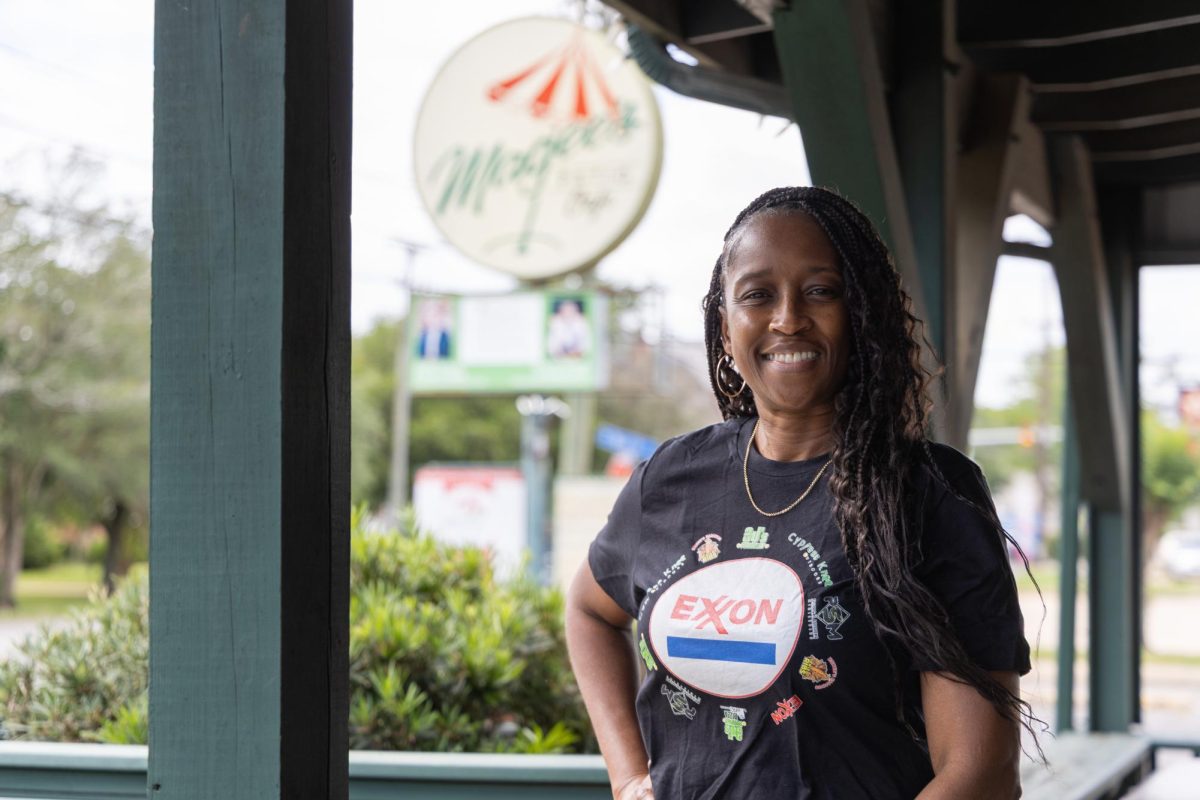
“An addiction is a progressive disease,” Christopher Cortez, peer support specialist, said. The longer one waits to receive treatment, the more potent the effects of addiction on them. “You can drastically change the course of your college career,” Cortez warned.
Demons for Recovery seeks to provide knowledge every month to the program as a whole, allowing various speakers with different addiction-related experiences a chance to tell their stories while offering strategies for overcoming an addiction over a warm meal.
Weekly meetings are available to members to foster support for peers within the program, ensuring that one is continuously receiving the utmost support. These meetings are open to all those who wish to attend, proving the program’s dedication to educating those who may not currently be in distress as well as helping victims of addiction.
Additionally, external resources will be provided to students on an individual basis of care, connecting them with hands-on mental health counselors and any other necessary supplies for success. For the link to apply, visit NSU’s website.
Cortez emphasized the importance of this connection to those who are in such a vulnerable position. “The opposite of addiction is connection,” Cortez said. By forming these connections, individuals who are in a precarious situation are less likely to self-isolate and more likely to feel accepted in a space where they are able to interact.
“To get sober and stay sober, it’s much harder to do it by yourself,” Cortez noted. The community formed by former and current victims of addiction, especially when sharing their stories, can help those struggling fight together against addiction. In addition, therapy, like that offered by Demons for Recovery, can be effective for the long-term retention of a sober or nonusing status.
“Supportive recovery environments also reduce relapse risk,” Sarah Ebarb, College Recovery and Prevention Program coordinator, shared in an interview with NSU. The longstanding friendships that are formed by this continuously educated community increase the accountability and the support that a singular individual will have, which improves the result of addiction therapy as a whole.
Demons for Recovery functions similarly to many other programs offered outside of university settings, and these programs have become the cornerstone of many individuals’ success stories. King has seen great progress in this field and knows that there is great potential for Demons for Recovery to grow both in outreach and in members.
“I know it’s a hard thing to ask for help, but it’s there, and it’s never too late. Hope is all we have,” Cortez urged. The process of seeking help can be frightening, but the Demons for Recovery and Prevention Lounge will welcome all with stories that show struggling students they aren’t alone. For more information on how to join, contact [email protected].