


















The removal of gender-inclusive housing for the upcoming 2026-2027 school year at Northwestern State University of Louisiana has sparked debate among students over safety concerns and inclusivity in the last few months.
Prior to this removal, students were allowed to request roommates regardless of sex or gender identity, giving them more freedom when choosing who to reside with on-campus. When filling out a housing application, students were able to select an option to opt in to gender-inclusive housing.
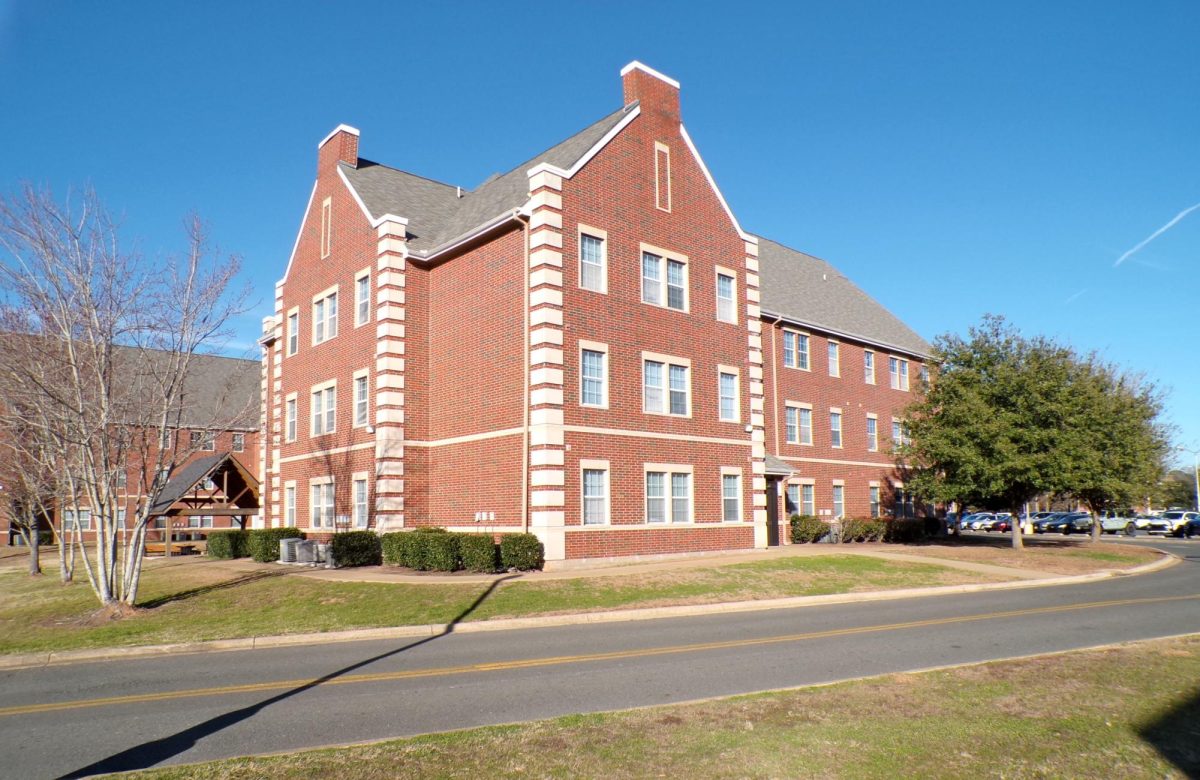
All of NSU’s housing facilities including Varnado Hall, University Columns and University Place I and II are managed by Campus Living Villages (CLV), a company that operates and manages on-campus housing accommodations in the United States, United Kingdom and Australia. CLV released the following statement to The Current Sauce, stating, “Gender Inclusive is no longer an option for on-campus housing due to governmental mandates. Any student impacted by this change may reach out to the Housing Office so that staff may assist them with any concerns or needs they have.”
The removal of gender-inclusive housing has become a trend in the wake of federal and state bans on diversity, equity and inclusion, as reported by Inside Higher Education. NSU was one of the first universities to have this option removed by CLV, alongside the University of Texas at Tyler.
NSU students stated that they felt in the dark when it came to this decision and were not properly communicated by the university. At the time of publication on Wednesday, April 8, there was no formal statement sent out by the university, nor a mass email for students inquiring about gender-inclusive housing.
Carter Ball, a freshman theater major, said students who did try reaching out to housing received little to no information. “Those who have emailed with questions were met with a brick wall,” Ball said. “When emailing with questions about co-ed, we’re met with the simple answer that it has been removed, with no further comment. This means many students will be paired with people that will make them unsafe.”
J. Batiste, a freshman dance and graphic design major, explained that gender-inclusive housing provided a sense of security for some students who wanted to live with accepting roommates.
“Increased choice, such as having a tick mark for ‘gender inclusive housing,’ ensured that whatever living arrangements you receive are with someone who also ticked that box,” Batiste said. “This change, made suddenly and without notice to students before applying for and signing the lease, greatly disrupted these intentions.”
Avis Emori-Mae Oriorl, a freshman double-majoring in psychology and addiction studies, said safety is their top priority and an important factor when considering campus housing.
“Safety matters most to me, as many other things such as comfort, inclusivity and privacy come hand in hand with safety,” Oriorl said. “It’s important for residents to feel like they have a safe space to return to each night. As someone directly affected by this decision, it is one that could affect a student’s sense of belonging on-campus.”
According to Oriorl, this removal has prompted several students to consider not only withdrawing their housing applications, but even possibly moving off-campus or transferring from the university entirely.
“There are a decent number of students who are ready to rescind their housing applications if the decision is not reversed and will instead live off-campus or move,” Oriorl said.
Aside from safety concerns, the conversation has also broadened into concerns around student input and the financial burden many already face.
“Student feedback should be able to bring forward, veto and bargain for decisions about campus housing,” Batiste said. “We pay far too much money to this university to not have our opinions considered.”